 Árbol InteriorThe project
Leo XIV and artificial intelligence: a view from human dignity
AI and Philosophy
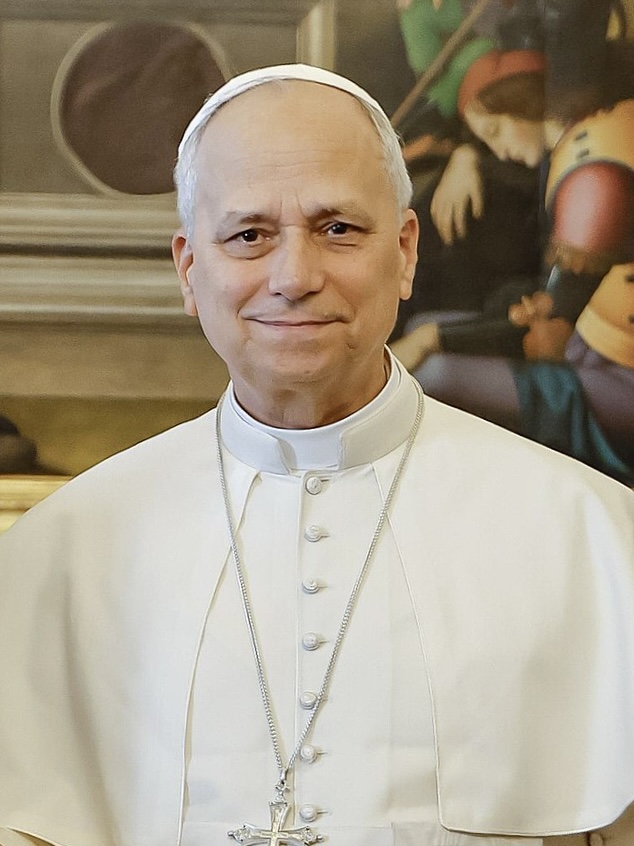

In May 2026, Pope Leo XIV presented his first encyclical, Magnifica humanitas, on human dignity in the age of artificial intelligence. An encyclical is a letter in which the pope offers the Church guidance on religious, social, or moral matters. Official presentation.
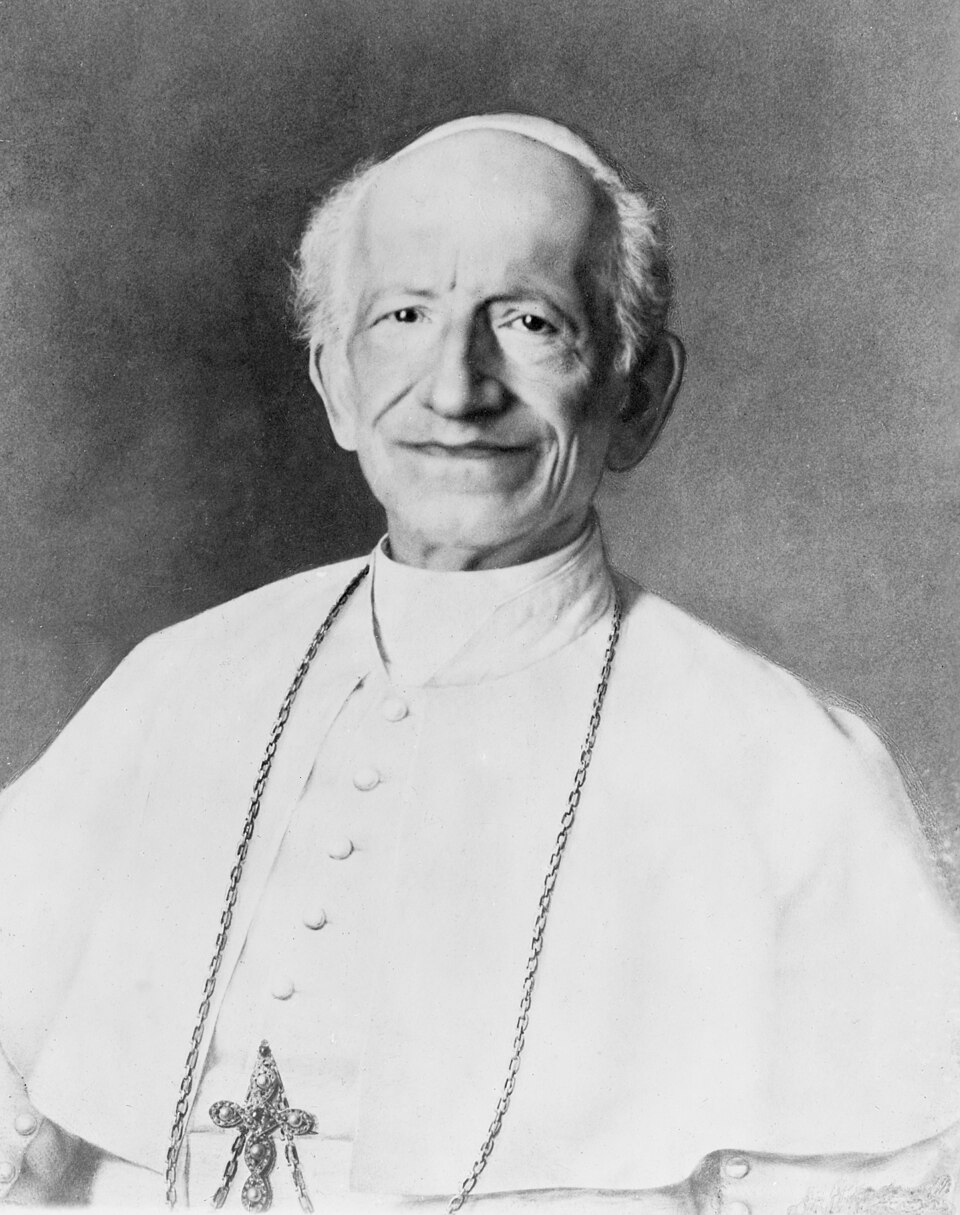

The encyclical draws on a historical precedent. In the late nineteenth century, Leo XIII wrote Rerum novarum amid the social changes brought about by industrialization. More than a century later, Leo XIV faces another technological transformation: the expansion of artificial intelligence. At both moments, the Church asks how to protect people’s dignity and work in the face of changes that are transforming society.
Leo XIV now places artificial intelligence within a transformation that affects work, life together, and the exercise of power. He recognizes the technology’s potential for health, education, and care for the environment, but warns that its effects depend on those who design, finance, regulate, and use it.
In the workplace, he is concerned about job losses, precarious employment, and worker surveillance. He calls for innovation to be accompanied by protection, training, and participation for those living through this transition. He also warns about disinformation and the manipulation of images and videos, which can undermine trust and public debate.
The concentration of technological power in a few hands and the absence of clear accountability are also central concerns. When an automated decision affects rights, he calls for it to be understandable, open to challenge, and subject to oversight. In the military sphere, he argues that lethal decisions must not be delegated to artificial systems. The appeal brings together different sectors of society to guide progress toward the common good. Full text of the encyclical.
Reactions


There was support from trade union circles for the emphasis on protecting workers and limiting surveillance through artificial intelligence. A subsequent economic analysis valued the encyclical’s moral aims but questioned whether greater state intervention always benefits employment and innovation.
The presentation of the encyclical included Christopher Olah, co-founder of Anthropic, who acknowledged commercial and geopolitical pressures that can conflict with doing the right thing, and advocated accepting independent criticism and opening dialogue with society. He also pointed to the potential displacement of workers and the difficulty of distributing benefits among countries. This made it clear that some of the Pope’s concerns are also shared by those developing this technology today.
The encounter brought the Church into dialogue with those developing this technology, at a time when their decisions can transform the lives of millions of people.