 Árbol InteriorThe project Español
How to Start Reading Philosophy on Your Own Without Feeling Overwhelmed
This scene may sound familiar: a question sparks your curiosity, you look for a place to start, and you end up facing an endless list of names. You may have heard of Plato, Kant, or Nietzsche, but you do not know whom to start with or how to approach their work. Every book seems to require five others. One introduction recommends beginning with the ancient Greeks; another, with contemporary problems. You open a work that everyone considers essential and, after a few pages, can barely explain what you have read.
It is easy to draw the wrong conclusion from this difficulty: “Perhaps philosophy is not for me.” Before accepting that, consider a simpler possibility. Perhaps you chose a text that assumes too much prior knowledge, an edition that offers too little guidance, or a way of reading that does not yet fit what the book asks of you.
The idea is to begin with a manageable question, choose a few sources, and learn to recognize what is happening within a text. You do not need to choose a philosopher to follow or a branch of philosophy to study in advance. You can begin with a specific question you want to understand better. Nor is there a sequence that guarantees you will understand every work. The idea is to try a path, notice where it helps, and change it when it no longer does.

Start with a question you can relate to
“I want to learn philosophy” is a perfectly valid wish, but too broad to help you decide what to open this afternoon. You can bring it closer to something that already interests you: an unresolved argument, a word you use without being sure of its meaning, a film that left you thinking, or a decision whose reasons you find hard to explain. Suppose you are interested in freedom. That word lets us ask different things: am I free when no one prevents me from acting? When I can choose between real options? When I understand why I want what I want? If you are wondering what real opportunities you have to choose a job, a text focused on freedom of expression will not necessarily address that question. Neither will one devoted to free will, which examines whether our decisions are determined. They share a word but study different problems. Making your question more precise helps you choose what to read.
Consider this example: you have to choose between two jobs. One excites you but does not cover your needs and those of your family; the other provides enough income, although it interests you less. No one forbids you from choosing the first, but how much room do you really have to do so? This gives us a more concrete question: is the absence of anyone preventing us from choosing enough to say that we are free?
To think about this situation, we can turn to two authors who addressed freedom from different perspectives. John Stuart Mill was a nineteenth-century British philosopher. In On Liberty, he defended the importance of individuality and of people being able to develop their own way of life. His perspective helps us ask why it matters to be able to choose an activity we value. At the same time, that defense does not by itself resolve the financial difficulty of someone who needs to support a family. Amartya Sen is an Indian economist and philosopher who has studied well-being, poverty, and people’s real opportunities. In Development as Freedom, he invites us to pay attention to the conditions that make a choice possible. From this perspective, we can ask whether having two job offers really means being able to choose either one when one does not cover our family’s needs.
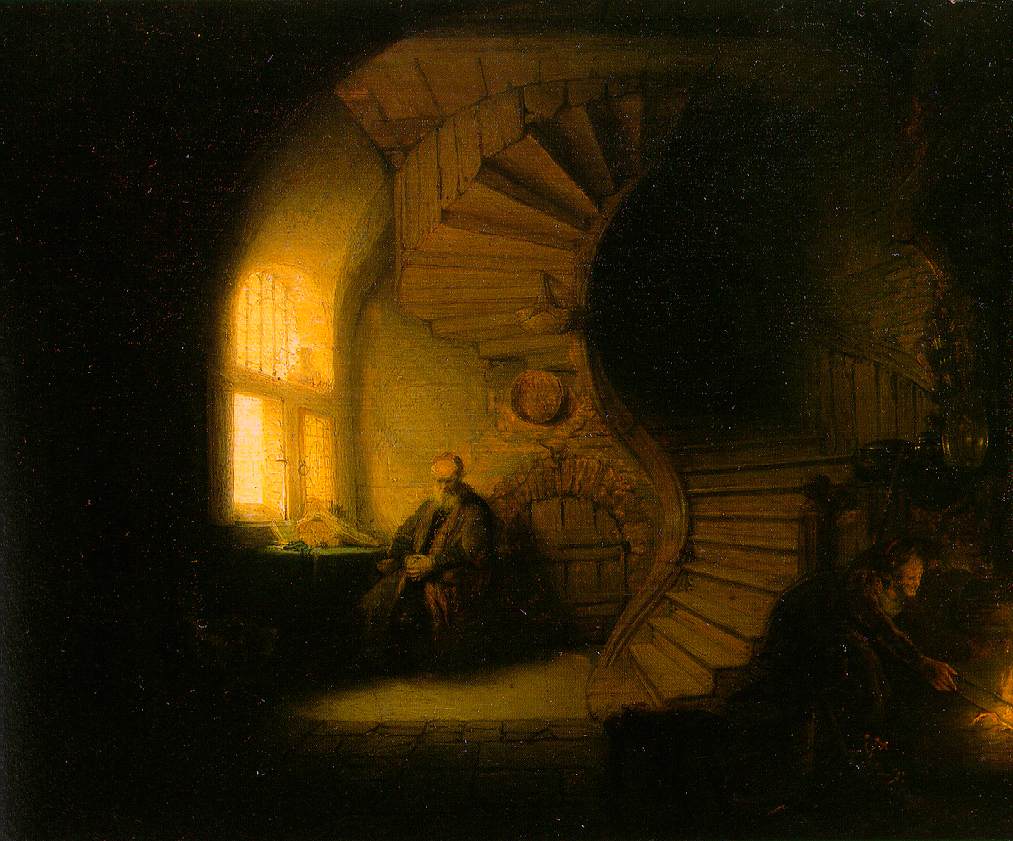

Putting these perspectives into conversation makes the original question richer. Mill helps us think about the value of choosing our own life; Sen invites us to examine the conditions that allow us to put it into practice. Their ideas give us reasons to understand the problem better and think through our response from different angles. In the end, you may need to choose the job that allows you to support your family. That necessity limits your options, but it also opens another question: does it mean you have lost all freedom, or is there a way to exercise it in circumstances you cannot change? To explore this, we can turn to Epictetus, a Stoic philosopher who lived in the first and second centuries and was enslaved before he taught philosophy. Epictetus invites us to distinguish between what is up to us and what is not. From his perspective, although we cannot control all our circumstances, we can examine our judgments and the way we respond to them. For Epictetus, that capacity is also a form of freedom. His perspective adds something to the conversation between Mill and Sen: alongside the importance of choosing our own life and having real opportunities, we can ask how to act in the face of the limits we encounter.
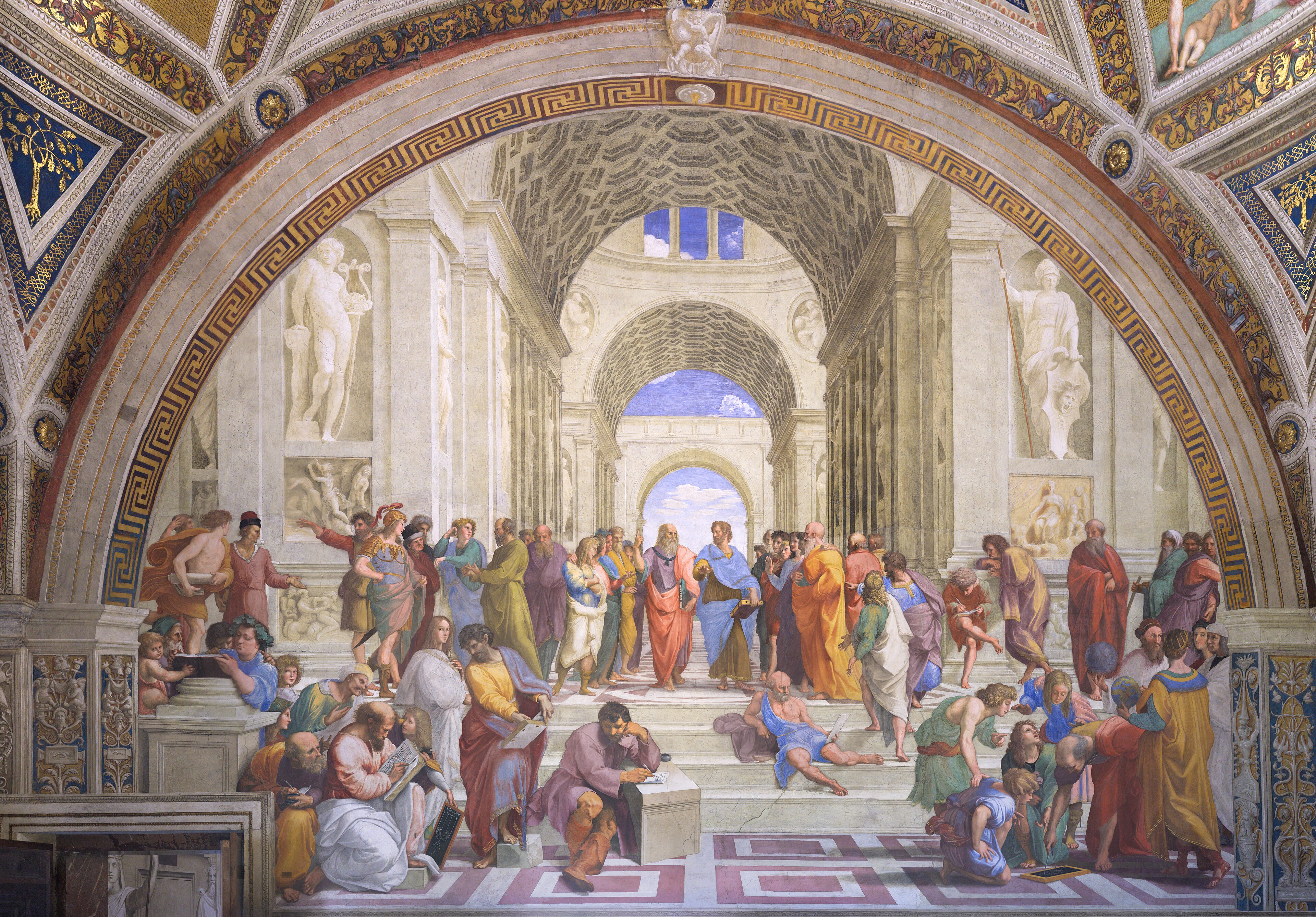

As we encounter these perspectives, our original question becomes more nuanced. Each perspective offers ideas and reasons with which to keep thinking. We may not reach a definitive answer after reading them, but we have more to help us understand the problem and form a response of our own. And that response can continue to grow and change as we encounter new readings, reasons, and questions.
This path does not replace studying the history of philosophy or reading the classics. It offers a way in: learning to formulate questions, examine reasons, and compare perspectives. A way to begin thinking philosophically and cultivate critical thinking.
I invite you to keep going and feed your curiosity.
J. P. Bruz
Sources and resources to explore
These sources support the guidance on reading, writing, and choosing resources.
- Epictetus. Handbook (Enchiridion), §§ 1 and 5, compiled by Arrian. English text, translated by Elizabeth Carter, MIT Internet Classics Archive. For biographical and philosophical context: Stanford Encyclopedia of Philosophy: Epictetus. The example of the two jobs is a teaching application developed in this article, not an example attributed to Epictetus. References verified on November 6, 2026.
- John Stuart Mill (1859). On Liberty (Sobre la libertad), especially chapter III, on individuality. Full English text at Project Gutenberg. The two-job scenario is a teaching example in this article, not an example attributed to Mill.
- Amartya Sen (1999). Development as Freedom (Desarrollo y libertad). New York: Knopf. Publisher’s page · Bibliographic record for the 1999 edition at Oxford Academic. The two-job scenario is a teaching application proposed here, not a quotation or an example attributed to Sen. References added and verified on November 6, 2026.
- Sergio Ortiz, Spanish Center, Universidad de los Andes. Lectura de textos filosóficos [Reading Philosophical Texts]. A Spanish-language resource on topic, vocabulary, thesis, arguments, and evaluating texts.
- CCH, Universidad Nacional Autónoma de México. Filosofía I. Selección de lecturas [Philosophy I: Selected Readings]. An introductory anthology in Spanish; one possible starting point, not a mandatory canon.
- Jim Pryor. Guidelines on Reading Philosophy. An English-language guide to recognizing the structure of a discussion and distinguishing positions, arguments, and objections.
- OpenStax, Rice University. Introduction to Philosophy, section 2.5: Reading Philosophy. Guidance in English on reading and annotation.
- Harvard College Writing Center. A Brief Guide to Writing the Philosophy Paper. An English-language guide to formulating theses, explaining arguments, and evaluating objections.
- The Open University. Introducing philosophy, section 3: Studying philosophy. An introduction in English that connects reading, discussion, and writing.
- Balliol College, University of Oxford. Classics Reading Lists. The philosophy section offers recommendations on selection, pace, and rereading for beginning students.
- Stanford Encyclopedia of Philosophy. About the editorial project. A reference for understanding its specialist authorship and academic review.
- Internet Encyclopedia of Philosophy. About the encyclopedia and its editorial process. A reference for understanding the scope and review of its articles.